
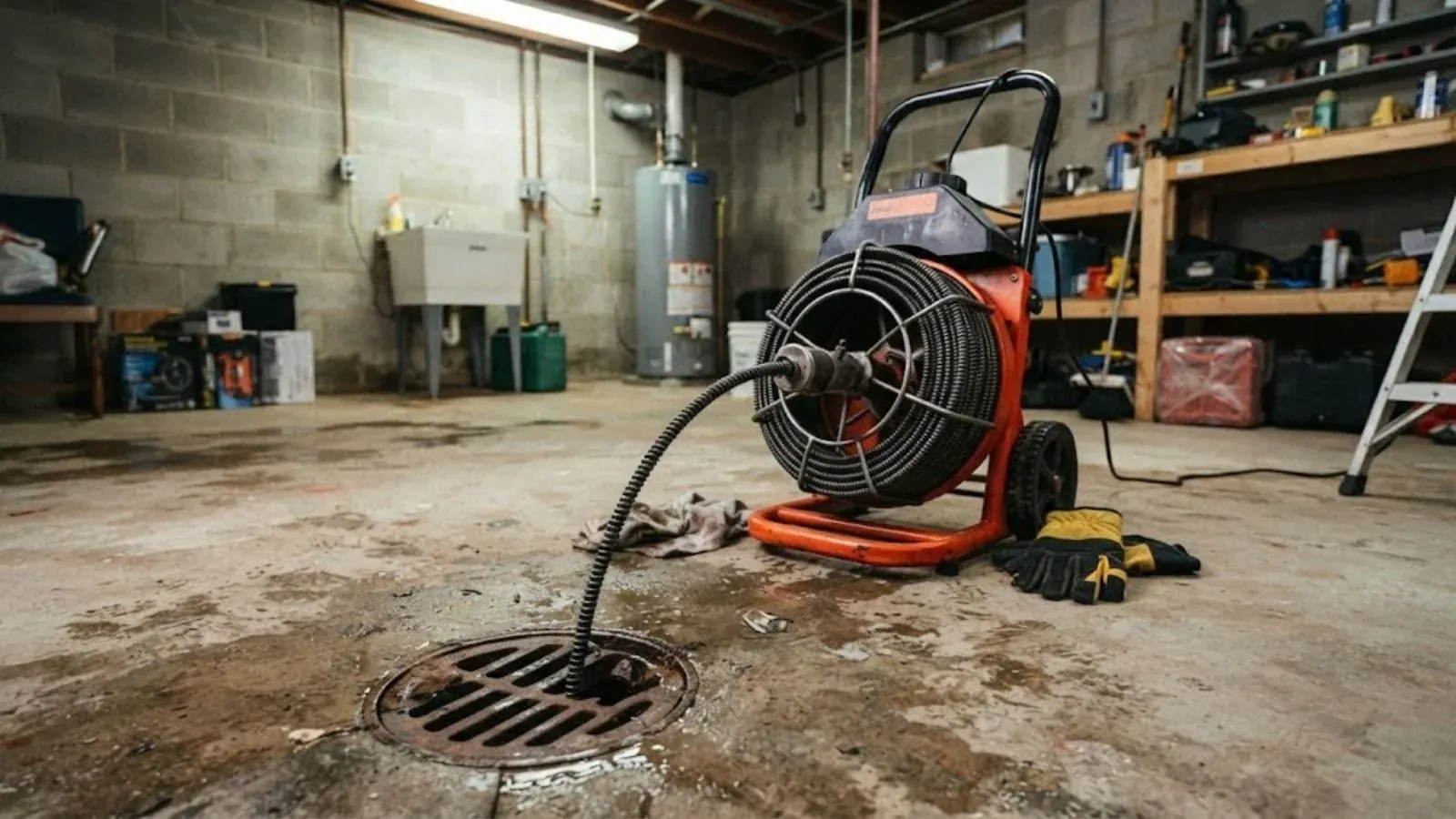
Drain cleaning in El Mirage, AZ means removing whatever is blocking a drain pipe and then working out why it blocked. A drain is a gravity pipe, so grease, hair, wipes, or roots narrow it until water stops moving. Our 24/7 emergency line is answered at any hour, and if water is rising right now, stop using every fixture in the house while you wait.
Most clogs start small. Water drains a little slower for weeks, then one heavy load of laundry or a holiday dinner finishes the job. If the same drain has been snaked before and clogged again, the real fix is usually a different tool or a look inside the pipe, which is covered below.
This page covers kitchen and bathroom clogs, how snaking works and where it stops, and what to do about yard drains. If sewage is coming up in a tub or floor drain, read about clearing the main sewer line as well. Neighbors in Youngtown can read about plumbers serving Youngtown next door.
When a clogged drain is an emergency
A single slow sink can wait for a daytime visit. Sewage in a tub, shower, or floor drain cannot, and neither can a toilet that overflows when you run the washing machine. Those signs usually point to a blockage in the main line, not the fixture.
Wastewater carries bacteria, so keep children and pets out of any room where it has surfaced.
- Stop running water. No flushing, no laundry, no dishwasher.
- Keep people and pets away from any backed-up floor area.
- Turn off power to wet outlets only if you can reach the panel without stepping in water.
- Do not pour drain chemicals into a drain that is already full of water.
- Call the 24/7 line and say which fixtures are backing up.
What your drain is telling you
Where the problem shows up tells the plumber where to start. This table lists the usual patterns and what they tend to mean.
| What you notice | Likely location | What the plumber usually does |
|---|---|---|
| One sink drains slowly. | Trap or branch line for that sink. | Clears the trap and runs a small cable through the branch. |
| Kitchen sink backs up into the second basin. | Kitchen branch line past the sink. | Cables the line and checks what comes back on the cable. |
| Shower and bathroom sink both slow. | Shared bathroom drain line. | Cables from a cleanout or the lowest accessible fixture. |
| Gurgling in one fixture when another drains. | Partial blockage or vent problem. | Tests several fixtures, then clears the line or checks the vent. |
| Tub or floor drain fills when the toilet is flushed. | Main drain line. | Clears the main line, often from a cleanout, and may recommend a camera look. |
| Every fixture drains slowly at once. | Main line or the connection to the street. | Starts at the main line cleanout and works toward the street connection. |
Kitchen sink clogs and what causes them
Kitchen drains clog differently from bathroom drains. Cooking grease is liquid when it goes down the pipe and hardens as it cools, coating the walls a little more with each meal. Coffee grounds, rice, and starchy food scraps then stick to that coating and build a plug.
A garbage disposal grinds food finely but does not remove it from the pipe. If the clog sits just past the disposal, the plumber may need to check the disposal itself before cabling the line. Our garbage disposal repair page covers jams and humming units.
The fastest way to prevent a repeat is simple. Scrape plates into the trash, wipe pans with a paper towel before washing, and run hot water for a short while after the sink is used. None of that clears an existing clog, but it keeps a freshly cleared line open longer.
Try this before you call, and what to skip
Some clogs clear with a few minutes of effort. Others get worse if you push at them the wrong way.
- A plunger works on a single sink or tub if you seal the overflow opening with a wet cloth first.
- Remove and clean the sink stopper. Hair often wraps around it and does most of the blocking.
- Place a bucket under the trap and unscrew it by hand to check for a plug of debris.
- Skip liquid drain openers when water is standing in the fixture. They can splash and burn skin and can damage some pipes if they sit.
- Never mix two cleaning products in a drain. Some combinations release harmful fumes.
- Stop if two or more fixtures are affected. That points past the fixture to a shared line.
How snaking and cabling work, and where they fall short
Snaking, also called cabling, feeds a rotating steel cable into the pipe until it reaches the blockage. The cable head either breaks the clog apart or hooks it so it can be pulled out. For hair, soap scum, and ordinary kitchen buildup, this is quick and works well.
The method has limits. A cable bores a hole through a clog and leaves the pipe walls coated, so grease and scale can start building again. A cable also cannot tell you whether the pipe is cracked, sagging, or invaded by roots.
That is why a plumber may suggest a camera look or hydro jetting when a line keeps clogging. Jetting scours the pipe walls with high-pressure water and handles buildup that a cable only pokes through. It is not right for every pipe, and the plumber should explain why before using it.
Water rising in a tub or floor drain?
Stop all water use and call now. The plumber can tell you on the phone whether it sounds like a fixture clog or the main line.
Snake or step up? How the options compare
Neither method is better in every case. The choice depends on what is in the pipe and how often it has clogged.
Cable or snake is usually enough when
- This is the first clog in that line in a long time.
- The blockage is hair, soap, or a small kitchen plug.
- Only one fixture is affected.
- The cable comes back with a clear sign of the cause, such as a wad of hair or wipes.
Consider a camera or jetting when
- The line has been snaked and clogged again within weeks or months.
- The cable comes back with roots or scale and the water slows again soon after.
- Several fixtures back up together.
- You want to know whether a pipe is cracked or sagging before spending more on clearing it.
How a drain cleaning visit usually goes
The exact steps depend on the clog, but most visits follow this order.
Ask what changed
The plumber asks which fixtures are slow, when it started, and what has been tried. This narrows down where the clog sits.
Test the fixtures
Running water in several fixtures shows whether the blockage is local or in a shared line.
Find a cleanout or access point
Cabling from a cleanout is cleaner than pulling a toilet. The plumber picks the access that reaches the clog.
Clear the line
The cable goes in until the plumber feels the blockage give, then the line is flushed with water to confirm it runs freely.
Explain what came out
What the cable brought back often explains the cause. Grease, roots, and hair each point to a different prevention step.
Quote any further work
If the line needs jetting, a camera look, or a repair, you get a clear price before work starts.
Snaked it and it clogged again
A repeat clog usually means the first cleaning removed the symptom and not the cause. Grease coating, mineral scale, tree roots, a sagging section of pipe, or a belly where water pools can each bring a clog back.
The city's 2024 water quality report lists hardness from 4 to 9 grains per gallon, with an average of 7. Hard water can leave scale on fixtures and react with soap to form scum, which gives clogs something to grab. Hardness is rarely the only cause, so do not blame it before the plumber has looked.
Ask the plumber what came out on the cable and whether a camera look makes sense. A line that clogs three times in a year is cheaper to inspect once than to clear again and again. Our sewer inspection page explains what a camera can and cannot show.
Yard drains, storm drains, and slow bathroom sinks
Yard drains and storm drains are a different job from indoor drains. A yard drain on private property collects runoff and often fills with leaves, soil, and gravel. A plumber can clear one with a cable or water, but the cause is usually debris washing in, so the fix is cleaning it out, not a pipe repair.
Street storm drains and public drainage belong to the city, not to you. If water pools in the street after rain, ask the city. Monsoon season runs June 15 to September 30, so check any yard drain before the storms start.
A slow bathroom sink is most often hair and soap on the stopper or in the trap. Pull the stopper, clean it, and try the trap before calling. If both are clean and it is still slow, the branch line behind the wall is the next place to look.
A wet spot near a drain line is not a clog
Sometimes a drain problem is a leak and not a blockage. A damp patch on a wall or ceiling near a drain, a musty smell, or a floor that feels soft around a tub can mean a drain line is leaking.
Clearing a clog will not stop a leak. If you see moisture and the drain also runs slowly, tell the plumber so the leak gets checked. Our leak detection page covers how hidden leaks are located.
What affects the price of drain cleaning
Two clogs that look the same from the sink can cost different amounts. These are the things that change the price.
Homeowners insurance usually covers sudden and accidental damage, such as water damage after a sudden backup, but not wear and tear or routine maintenance. Whether a backup is covered often depends on an add-on endorsement, so read your policy and ask your agent before you file.
Want a real number for your drain? Call the 24/7 line, describe which fixtures are affected, and get a clear price before anyone starts work. (623) 301-9042
Frequently asked questions
Yes. The emergency line is answered 24/7, including nights, weekends, and holidays. Tell the dispatcher which fixtures are backing up so the right plumber is sent.
Grease and food scraps coat the pipe walls, so each new meal narrows the pipe a little more. A cable can open the line, but only changing what goes down the sink keeps it open.
If it clogs often even with careful habits, ask the plumber about a camera look to check for a sag or damaged section.
Use caution. Liquid openers can splash, harm skin, and sit in a pipe that is already full of water. Never mix products, and skip them if the fixture is full of standing water.
A plumber can often clear a private yard drain that is packed with leaves and soil. Public storm drains in the street belong to the city, so contact the city instead.
Ask the plumber what is realistic before they start.
Remove the stopper and clean off hair and soap. Then check the trap under the sink with a bucket in place. If both are clean, call for a short visit to check the branch line.
Cabling is gentle on sound pipes when done correctly. Old, cracked, or badly corroded pipe can be damaged by any method, so tell the plumber if the home has had pipe problems before.
If more than one fixture is affected, especially a low one such as a tub or floor drain, the main line is the likely culprit. A single slow sink points to its own branch.
Arizona contractors who do plumbing need a license from the Registrar of Contractors, and you can look one up on the ROC Contractor Search tool before you sign. Our plumbers are licensed and insured.
Question not answered here? Call (623) 301-9042
Sources and code notes
Code reference: El Mirage follows the 2018 International Plumbing Code (IPC) and the 2018 International Fuel Gas Code (IFGC). Ask the El Mirage building department which rules and permits apply to your job. Hardness figures come from the City of El Mirage 2024 water quality report.